
Unlocking Investment Opportunities in the North Carolina Mountains

Updated: May 7

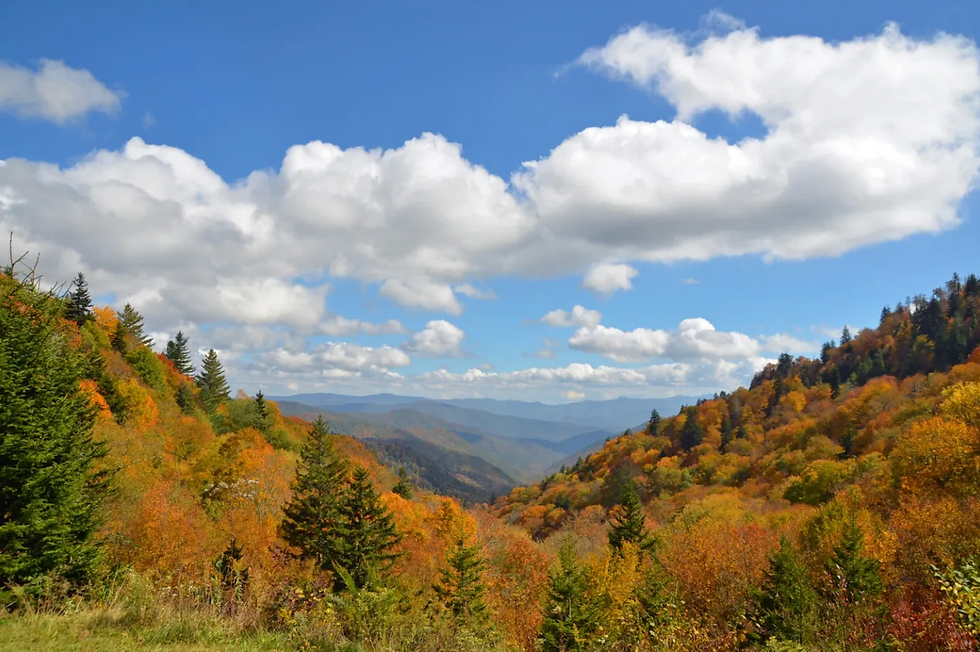
The majestic beauty of the North Carolina Mountains has long drawn tourists. In recent years, platforms like Airbnb and VRBO have transformed the local real estate landscape. For many, owning a mountain property isn't just about personal enjoyment; it's also a significant investment opportunity. However, this growth comes with complexities, particularly concerning local regulations.
Investment Opportunities in the NC Mountains
The appeal of short-term rentals in the NC Mountains is clear:
Dual Purpose: Many investors are attracted to owning a vacation home they can enjoy personally while generating income when they're not using it. This "best of both worlds" scenario helps offset ownership costs and can even turn a profit.
Strong Tourism Demand: The Western North Carolina mountains, with popular destinations like Asheville, Boone, and Hendersonville, attract millions of visitors annually. This consistent demand for lodging creates a robust market for vacation rentals.
Income Generation: A well-managed short-term rental can provide a significant stream of passive income. This income can often cover mortgage payments and other expenses, contributing to rapid equity growth.
Diverse Property Types: Investment opportunities range from cozy cabins in the woods to luxurious homes with panoramic mountain views. This variety caters to a wide array of guest preferences.
Resilience and Growth: Despite challenges like Hurricane Helene and shifts in the broader real estate market, the region has shown remarkable resilience. Property values in many areas continue to appreciate, making short-term rentals a solid long-term investment.
Popular Areas for Short-Term Rental Investments
Some areas stand out for short-term rental investments:
Asheville: A vibrant hub with a thriving arts scene and outdoor adventures. While regulations are tighter here, demand remains high.
Black Mountain & Weaverville: These towns offer a quieter charm with easy access to Asheville's amenities, appealing to those seeking a peaceful getaway.
Boone & Blowing Rock: Known for their proximity to ski resorts and outdoor activities, these areas attract year-round visitors.
Hendersonville: A growing town with a charming downtown, wineries, and apple orchards, appealing to families and retirees.
Lake Lure, Cashiers, Highlands: Renowned for scenic beauty and high-end properties, these areas draw a more affluent clientele.
Navigating Short-Term Rental Regulations
While the investment potential is attractive, understanding and complying with local regulations is paramount. North Carolina has a mix of state-level laws and varying local ordinances that impact short-term rentals.
State-Level Regulations: The NC Vacation Rental Act
The primary state-level mechanism for regulating short-term rentals is the North Carolina Vacation Rental Act (VRA). This act defines a "vacation rental" as the rental of residential property for vacation, leisure, or recreation purposes for fewer than 90 days, where the renter has another permanent residence. Key aspects of the VRA include:
Written Agreements: The VRA mandates that vacation rentals must be facilitated via a written agreement outlining the rights and obligations of both parties, including details on rents, fees, and security deposits.
Fit and Habitable Condition: Landlords must keep the premises in a fit and habitable condition.
Eviction Process: The Act establishes grounds and processes for expedited eviction proceedings for vacation rentals.
No State-Level Licensing: Importantly, North Carolina state law does not require short-term rentals to be registered or licensed at the state level. However, this doesn't preclude local governments from regulating through zoning.
Local-Level Regulations: A Patchwork Approach
This is where it gets more complex. While the state limits local registration requirements, individual cities and counties in the NC Mountains have implemented their own zoning ordinances and rules to manage the impact of short-term rentals. These rules are often driven by concerns about affordable housing, neighborhood character, and noise.
Examples of Local Regulations
Asheville: The City of Asheville has stringent regulations. Generally, short-term vacation rentals are only permitted in designated resort zoning districts. "Homestays" are allowed under specific conditions, requiring a permit and adherence to occupancy limits.
Boone: In Boone, all short-term rental properties typically require a transient occupancy license or permit from the Planning and Inspections Department. Zoning laws often restrict rentals in residential zones unless they are owner-occupied. Hosts must also collect and remit a local occupancy tax.
Hendersonville: Hendersonville defines short-term rentals as lodging for less than 30 days and generally restricts them to Old Town Commercial (OTC) and General Commercial (GC) zoning districts. An Engineered Site Plan, Use and Occupancy Permit, and Business License are usually required.
Other Counties/Towns: Regulations vary widely. Some counties might have very few restrictions, while others may have specific zoning overlays, occupancy limits, parking requirements, or noise ordinances.
Common Local Requirements (Where Permitted)
Zoning Compliance: Ensure your property's zoning allows for short-term rental operation.
Permits/Licenses: Obtain necessary local permits or business licenses.
Occupancy Taxes: Collect and remit state sales tax and local occupancy taxes.
Safety Standards: Comply with fire, building, and safety codes, including smoke and carbon monoxide detectors.
Liability Insurance: Many localities require specific liability insurance coverage for short-term rental use.
Parking and Noise: Adhere to local ordinances regarding parking availability and noise levels to minimize impact on neighbors.
Key Considerations for Investors
Due Diligence on Regulations: Before purchasing any property for short-term rental, thoroughly research the specific regulations of the city, town, and county where it's located. This includes checking zoning, permit requirements, and tax obligations.
Understand HOA/POA Rules: If the property is part of a homeowners' association (HOA) or property owners' association (POA), review their covenants carefully. Many HOAs have strict rules or outright bans on short-term rentals.
Financial Projections: Conduct a detailed financial analysis, factoring in potential rental income, operating expenses, property management fees, taxes, insurance, and any permit costs.
Property Management: Consider whether you will self-manage the property or hire a local property management company. A good management company can handle bookings, cleaning, maintenance, and guest communication.
Market Fluctuations: Be aware that the short-term rental market can be seasonal and influenced by economic factors, tourism trends, and natural events.
Conclusion: The Future of Short-Term Rentals in the NC Mountains
The North Carolina Mountains continue to offer compelling opportunities for real estate investors interested in the short-term rental market. However, success hinges on a clear understanding of both the investment potential and the complex, evolving regulatory landscape. Partnering with a knowledgeable local real estate agent and legal counsel is essential to navigate these waters effectively and ensure a profitable and compliant venture.
By staying informed and proactive, I can confidently navigate the intricacies of short-term rental investments in this beautiful region. The potential rewards are significant, and with the right approach, I can make the most of the opportunities available in the North Carolina Mountains.



Comments